
 See Our Latest Article on HelloNation
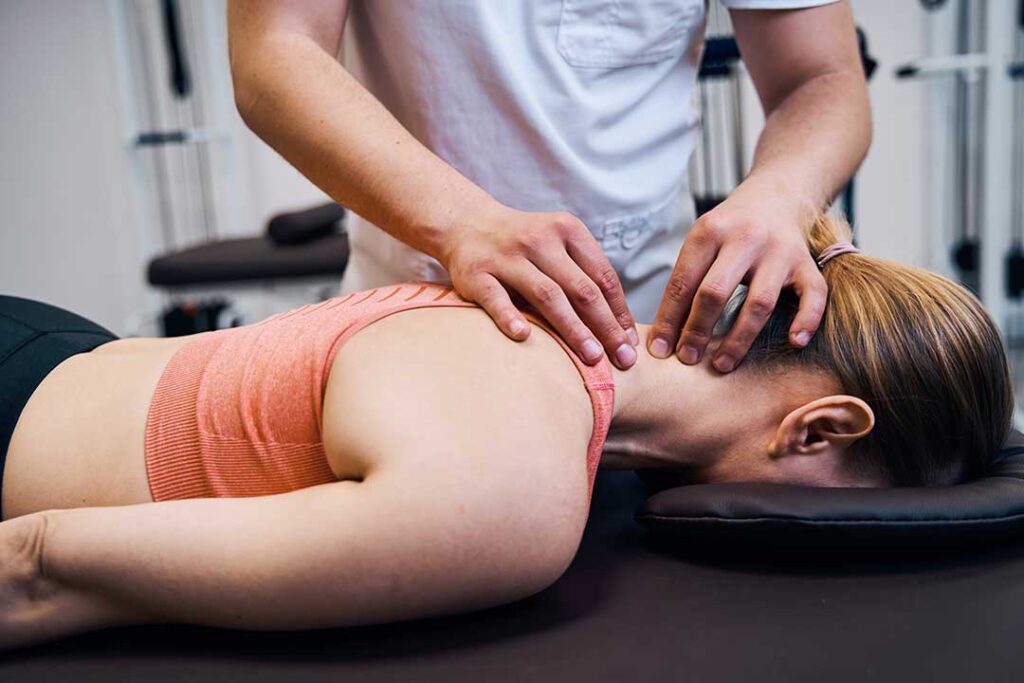
What can chiropractic adjustments do for athletes?
In Sleepy Hollow, NY, athletes may consider chiropractic adjustments as one part of care for movement-related pain, stiffness, or reduced mobility. The potential benefit is usually functional: improving joint motion, reducing discomfort, and helping an athlete participate in a broader rehabilitation plan.
An adjustment, also called spinal manipulation, uses a controlled force applied to a spinal or extremity joint. It is not intended to “put a bone back in place,” permanently correct posture, or replace strength training. Evidence is strongest for certain musculoskeletal problems, especially low-back pain, while claims about major improvements in athletic performance remain uncertain. ([nccih.nih.gov](https://www.nccih.nih.gov/health/spinal-manipulation-what-you-need-to-know?utm_source=openai))
Can adjustments improve athletic performance?
Possibly in limited circumstances, but the evidence does not support treating adjustments as a performance-enhancement shortcut.
Research involving athletes has examined outcomes such as flexibility, muscle activity, balance, strength, and movement tests. A systematic review found that some studies reported improvements in performance-related tests, but the research was small and inconsistent. None of the included studies evaluated performance during an actual competition, and the authors concluded that evidence for performance enhancement was weak. ([pubmed.ncbi.nlm.nih.gov](https://pubmed.ncbi.nlm.nih.gov/29191288/?utm_source=openai))
For an athlete preparing for a race, field season, lifting cycle, or recreational event, an adjustment may help address a movement restriction that is interfering with training. It is more reasonable to view that change as a possible aid to comfortable movement than as a direct increase in speed, power, endurance, or skill.
Performance still depends primarily on training quality, sleep, nutrition, conditioning, technique, recovery, and appropriate workload management.
What symptoms may respond to chiropractic care?
Athletes sometimes seek care for back stiffness, neck discomfort, limited hip motion, or soreness associated with repetitive movement. Spinal manipulation may provide modest relief for some people with low-back pain, particularly when combined with active care such as exercise and self-management. ([nccih.nih.gov](https://www.nccih.nih.gov/health/spinal-manipulation-what-you-need-to-know?utm_source=openai))
Potential short-term benefits may include:
- Less pain during ordinary movement
- Improved tolerance for walking, bending, or rotation
- A temporary increase in joint range of motion
- Reduced perception of stiffness
- Better ability to participate in prescribed exercises
These effects vary by person and diagnosis. An adjustment may be less useful when pain is caused by a fracture, major ligament injury, nerve compression, infection, systemic illness, or another condition requiring different treatment.
For example, an athlete who develops low-back stiffness after increasing rowing or cycling may benefit from an assessment that considers training volume, hip mobility, trunk strength, recovery, and technique. The adjustment itself would address only one part of that picture.
Does an adjustment speed recovery from a sports injury?
An adjustment may support comfort and mobility, but it should not be assumed to speed tissue healing on its own. Muscles, tendons, ligaments, and bones heal according to the nature and severity of the injury, blood supply, loading pattern, sleep, nutrition, and time.
Recovery commonly requires a gradual progression:
1. Protecting the injured area from aggravating loads
2. Restoring comfortable range of motion
3. Rebuilding strength and control
4. Reintroducing sport-specific movement
5. Increasing training intensity in stages
Manual care can sometimes make movement more comfortable during this process. However, research on manual therapy for low-back pain in athletes has not been strong enough to establish its value as a stand-alone treatment. ([pubmed.ncbi.nlm.nih.gov](https://pubmed.ncbi.nlm.nih.gov/33355180/?utm_source=openai))
An athlete should be cautious about using temporary pain relief as proof that an injury has healed. Feeling better after an adjustment does not necessarily mean that a tendon, bone, joint capsule, or muscle is ready for full training.
How should adjustments fit with exercise and rehabilitation?
The most useful role for chiropractic care is usually complementary rather than isolated. Mobility work may be paired with strengthening, balance training, neuromuscular exercises, activity modification, and education about training loads.
A complete plan may address:
- Trunk and hip strength for running, jumping, or lifting
- Shoulder-blade control for throwing or overhead activity
- Ankle mobility and balance after an ankle injury
- Warm-up and cool-down habits
- Sudden changes in mileage, intensity, or practice frequency
- Sleep disruption and inadequate recovery
- Equipment, footwear, or technique concerns
Sports medicine guidance generally emphasizes a broad care team and combines strength, power, balance, coordination, flexibility, and recovery strategies rather than relying on one technique. ([acsm.org](https://acsm.org/behind-the-team/?utm_source=openai))
This matters in a community where athletes may train year-round, exercise outdoors in changing weather, or shift between indoor and outdoor routines. Cold conditions can make tissues feel stiffer before activity, while summer heat and humidity can increase fatigue and affect hydration. Neither condition automatically creates a need for an adjustment, but both make gradual warm-ups and sensible workload planning more relevant.
Are chiropractic adjustments safe for athletes?
For many healthy adults, spinal manipulation causes no serious problem, but temporary soreness, stiffness, headache, or increased discomfort can occur. These effects commonly resolve within about a day. Rare but serious complications have also been reported, particularly with manipulation involving the neck. ([nccih.nih.gov](https://www.nccih.nih.gov/health/spinal-manipulation-what-you-need-to-know?utm_source=openai))

Safety depends on appropriate screening. Important information includes:
- Recent falls, collisions, or other trauma
- Known fractures or dislocations
- Osteoporosis or reduced bone strength
- Blood-clotting conditions or use of blood thinners
- Recent surgery
- Numbness, weakness, or changes in coordination
- Severe or unusual headaches
- Fever, unexplained weight loss, or feeling seriously ill
Neck manipulation deserves especially careful consideration. Sudden severe headache, facial drooping, trouble speaking, fainting, chest pain, or new weakness after any neck treatment requires emergency medical attention.
When should an athlete seek medical evaluation first?
An adjustment is not an appropriate first step for every sports complaint. Prompt medical evaluation is warranted after significant trauma, when a person cannot bear weight, when a joint appears deformed, or when pain is severe and rapidly worsening.
Urgent assessment is also appropriate for:
- Progressive weakness or numbness
- Loss of bladder or bowel control
- Severe pain at night without a clear mechanical cause
- Repeated vomiting, confusion, or loss of consciousness after a head injury
- A swollen, hot, or visibly infected joint
- Chest pain or shortness of breath during activity
Persistent pain that does not improve with reduced activity should also be evaluated rather than repeatedly masked. The right care may involve a physician, physical therapist, athletic trainer, or other qualified clinician depending on the symptoms.
What should athletes realistically expect?
The most realistic expectation is a possible short-term improvement in comfort or mobility, especially when a joint or surrounding tissues are contributing to a movement problem. Benefits are more likely to be meaningful when adjustments are combined with exercise, progressive loading, adequate sleep, and attention to the cause of the problem.
Athletes should be skeptical of claims that adjustments can prevent all injuries, permanently correct alignment, remove toxins, or guarantee better performance. Current evidence supports a measured view: chiropractic adjustments may be useful for selected musculoskeletal complaints, but they are one tool within a larger plan rather than a substitute for diagnosis, rehabilitation, or sound training principles.
