
 See Our Latest Article on HelloNation
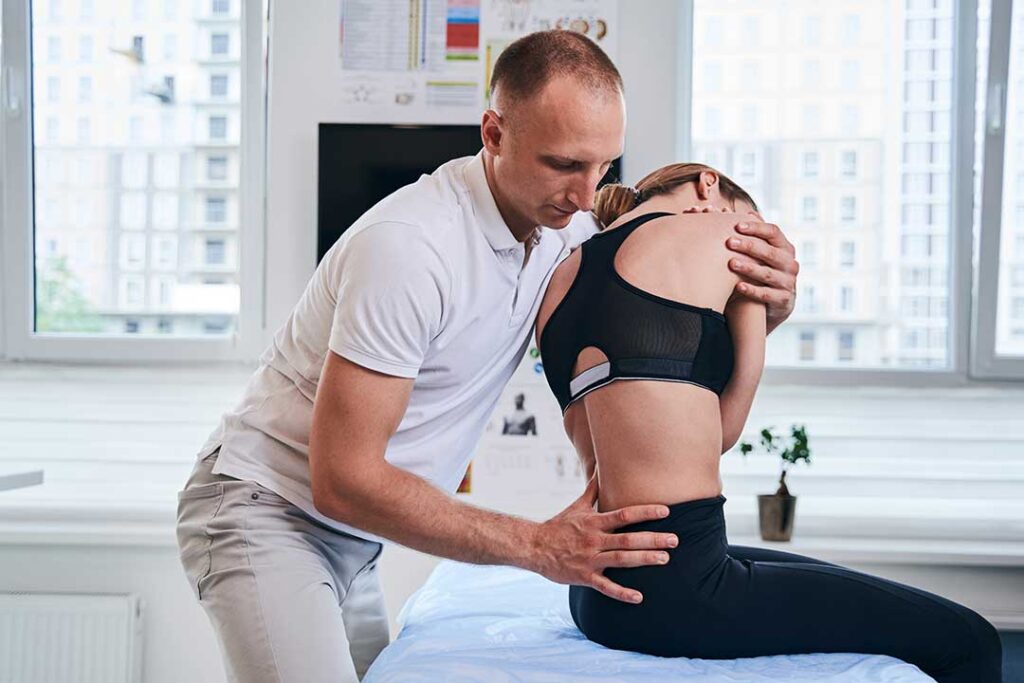
Is chiropractic care only about “putting bones back in place”?
No. Chiropractic care often includes spinal manipulation, but it may also involve movement assessment, exercise guidance, soft-tissue techniques, and advice about activity. The phrase “realigning the spine” can be misleading because many common aches are influenced by muscles, joints, nerves, sleep, stress, work habits, and movement patterns—not simply by bones being out of position. ([medlineplus.gov](https://www.medlineplus.gov/ency/patientinstructions/000416.htm?utm_source=openai))
A chiropractic evaluation may look at:
- How a joint moves
- Muscle strength and flexibility
- Posture and movement
- Numbness, tingling, or weakness
- Recent injuries
- Physical activity, sleep, and daily routines
For residents in Sleepy Hollow, NY, these factors can matter during periods of increased indoor activity, prolonged sitting, winter driving, home projects, or recreational exercise. A stiff back after shoveling, lifting, or sitting for long periods does not automatically mean that a vertebra has “slipped.”
Myth: Chiropractic adjustments cure every health problem
The evidence is strongest for some musculoskeletal conditions, particularly certain types of low-back pain and neck pain. Spinal manipulation may provide modest improvements in pain and function, but it is not a universal treatment for unrelated medical conditions. Research has not shown clear benefits for conditions such as high blood pressure or menstrual cramps. ([nccih.nih.gov](https://www.nccih.nih.gov/health/spinal-manipulation-what-you-need-to-know?utm_source=openai))
This distinction is useful because broad claims can make a treatment sound more powerful than the evidence supports. Chiropractic care should not be presented as a substitute for treatment of infections, cancer, serious neurological disease, fractures, or other conditions requiring medical management.
For back pain, the goal is usually practical: improving comfort, movement, sleep, or the ability to perform everyday tasks. Improvement may come from a combination of hands-on care, gradual activity, exercise, and time.
Myth: If treatment makes a popping sound, something was “put back”
The popping or cracking sound sometimes heard during an adjustment is not proof that a bone moved into a missing position. It is generally associated with a rapid change in pressure within a joint, which can produce gas bubbles in the joint fluid.
Some people feel looser afterward, while others notice little change. The sound itself does not determine whether treatment worked. A more useful measure is whether movement, pain, or daily function improves over time.
The same principle applies to self-manipulation. Repeatedly twisting the neck or back to chase a popping sensation may irritate joints or muscles, especially if it becomes a habit rather than a response to a specific movement problem.
Myth: Chiropractic treatment is always gentle and risk-free
Most people who receive spinal manipulation experience no serious problem, but “natural” or hands-on does not mean risk-free. Temporary soreness, stiffness, headache, or a short-term increase in pain can occur and commonly resolves within about 24 hours. Serious complications are rare, but they have been reported. ([nccih.nih.gov](https://www.nccih.nih.gov/health/spinal-manipulation-what-you-need-to-know?utm_source=openai))
Neck manipulation deserves particular care. Rare cases of cervical artery dissection and stroke have been reported after neck movement, although researchers continue to debate how often manipulation directly causes these events. A thorough health history and symptom screening are therefore important before any treatment involving the neck. ([nccih.nih.gov](https://www.nccih.nih.gov/health/spinal-manipulation-what-you-need-to-know?utm_source=openai))
A person should disclose conditions such as:
- Recent trauma or whiplash
- Severe osteoporosis
- A known fracture, tumor, or infection
- Blood-clotting problems
- Use of blood-thinning medication
- Numbness, weakness, or loss of coordination
- New, severe, or unusual headaches
Myth: Medical imaging is needed before every adjustment
Routine imaging is not automatically necessary for every episode of back or neck pain. Imaging decisions depend on the examination, medical history, duration of symptoms, injury mechanism, and warning signs.
An X-ray or other scan may be more appropriate when there is significant trauma, suspected fracture, persistent neurological change, unexplained weight loss, fever, a history of cancer, or other findings that raise concern. Imaging can also show normal age-related changes that are not the actual source of pain, so a scan should be interpreted in context.
The absence of imaging does not mean an evaluation was incomplete. Likewise, obtaining imaging does not guarantee that it will identify the cause of pain.
Myth: More visits always produce better results
A longer treatment plan is not automatically more effective. The appropriate amount of care depends on the problem, response to treatment, goals, and any underlying medical concerns. Evidence for spinal manipulation generally describes modest benefits over short or intermediate periods rather than guaranteed permanent correction. ([nccih.nih.gov](https://www.nccih.nih.gov/health/spinal-manipulation-what-you-need-to-know?utm_source=openai))

A reasonable plan should include a way to judge progress. Useful questions include:
- Is walking, sleeping, working, or exercising becoming easier?
- Is pain decreasing or becoming less frequent?
- Are symptoms staying the same, worsening, or spreading?
- What self-care or movement strategies can be used between visits?
- What would indicate that the plan should change?
If there is no meaningful improvement after a reasonable trial, reassessment is appropriate. Persistent symptoms may call for a different approach or evaluation by another type of health care provider.
Myth: Chiropractic care should replace exercise or ordinary movement
Hands-on treatment is not a replacement for physical activity. For many back and neck problems, restoring comfortable movement and building strength are central parts of recovery. Prolonged bed rest can make stiffness and deconditioning worse.
That does not mean exercising through severe pain. A gradual approach may include short walks, frequent position changes, gentle range-of-motion work, and exercises suited to the person’s condition. Local routines may need adjustment during cold weather, when people spend more time indoors, or after seasonal tasks that involve lifting, bending, and reaching.
The most useful care plan is often the one that helps a person safely return to normal activities rather than depend indefinitely on passive treatment.
When should back or neck pain be treated as urgent?
Sudden or severe symptoms should not be assumed to be a routine joint problem. Urgent medical evaluation is appropriate for back or neck pain accompanied by:
- New loss of bladder or bowel control
- Numbness around the groin or inner thighs
- Progressive weakness in an arm or leg
- Difficulty walking or maintaining balance
- Fever, unexplained weight loss, or feeling very unwell
- Significant injury
- A sudden severe headache, facial droop, trouble speaking, or other stroke-like symptoms
These signs may indicate a condition that requires prompt medical assessment rather than routine manipulation.
The most accurate view of chiropractic care is neither that it is a cure-all nor that it is inherently ineffective. It is one conservative option that may help some people with selected musculoskeletal problems, particularly when used alongside appropriate activity, clear goals, careful screening, and realistic expectations.
