
 See Our Latest Article on HelloNation
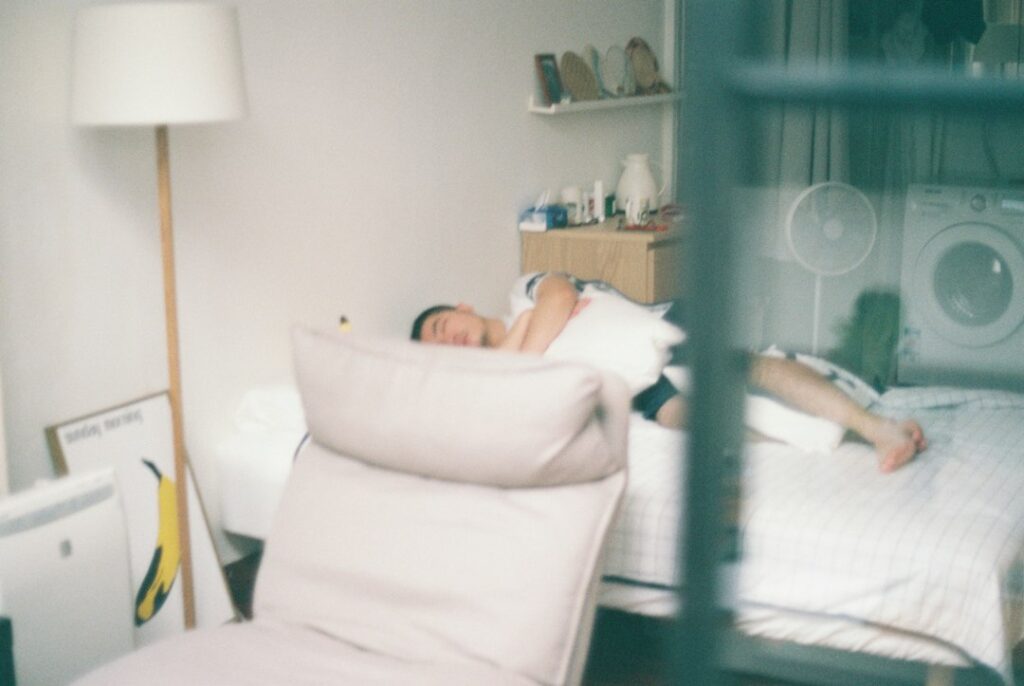
Living with chronic back pain can make sleep feel like a nightly negotiation. The goal is not to find one “perfect” position, but to reduce strain, support the body comfortably, and build habits that make rest more predictable. For residents of Sleepy Hollow, NY, changing temperatures, indoor heating, long commutes, and periods of reduced outdoor activity can all affect how the back feels at night.
Why does back pain often feel worse at night?
Back pain may seem stronger at bedtime because there are fewer distractions and fewer opportunities to change position. Staying still for several hours can also increase stiffness, while poor sleep may make the nervous system more sensitive to pain the following day.
Pain and sleep can create a cycle:
- Pain makes it harder to fall asleep or stay asleep.
- Poor sleep can increase fatigue, muscle tension, and pain sensitivity.
- Fatigue may lead to less movement during the day.
- Reduced movement can contribute to stiffness and weakness.
This does not mean nighttime pain is always harmless. Pain that is steadily worsening, wakes someone repeatedly, or occurs with other concerning symptoms should be evaluated rather than managed only with sleep adjustments.
Which sleeping position is best for back pain?
The most useful position is the one that allows the spine and hips to remain comfortable without increasing symptoms. Many people with lower back pain find side-lying or back-lying positions easier than sleeping on the stomach.
For side sleeping, try placing a pillow between the knees. This can reduce twisting through the pelvis and help the upper leg remain supported. A small pillow or folded towel may also help fill the space between the waist and mattress if the side of the body feels unsupported.
For back sleeping, place a pillow under the knees. This slightly reduces the arch in the lower back and may lessen pressure on sensitive joints or muscles. Some people also prefer a small rolled towel beneath the lower back, but it should not force the spine into a more pronounced curve.
Stomach sleeping can increase rotation or extension through the lower back and neck. If changing positions is difficult, placing a thin pillow under the hips may reduce strain. Avoid using a thick pillow under the head if it forces the neck upward.
Comfort matters more than rigid rules. If a position causes leg symptoms, sharp pain, or increasing discomfort, stop using it.
How should a mattress and pillows be adjusted?
A mattress does not need to be extremely firm to support the back. Excessively hard surfaces can create pressure at the shoulders and hips, while a mattress that allows the body to sink deeply may make turning more difficult and leave the spine poorly supported.
Useful adjustments include:
- Check whether the hips or shoulders sink noticeably lower than the rest of the body.
- Replace flattened or overly soft pillows that no longer support the neck.
- Use a full-length body pillow if it helps maintain a stable side-lying position.
- Keep frequently used items within easy reach so getting out of bed does not require twisting.
- Rise by rolling onto the side, bringing the legs toward the edge, and pushing up with the arms rather than sitting straight up from the waist.
A new mattress is not automatically the answer. Before making a major purchase, test simple pillow changes and observe whether symptoms improve over several nights.
What can help before bedtime?
A brief wind-down routine can reduce both physical tension and mental alertness. The routine should be gentle rather than strenuous.
Consider:
- Taking a warm shower or using comfortable heat for a short period, with a barrier between the heat source and skin.
- Performing slow, pain-free movements such as walking around the home or gentle pelvic and hip motion.
- Preparing clothing, work items, and medications earlier in the evening to reduce rushed movements.
- Dimming lights and reducing phone or computer use during the last part of the evening.
- Going to bed and waking at roughly the same time, including on days off.
- Limiting caffeine later in the day and avoiding large meals close to bedtime.

During colder months, indoor heating can make bedrooms dry and uncomfortable, while cold surfaces or drafts may encourage muscle guarding. A comfortable room temperature, appropriate bedding, and regular daytime movement may be more useful than simply adding heavier blankets.
Should someone exercise with chronic back pain?
Usually, complete bed rest is not helpful for chronic back pain. Gentle daytime activity can support mobility, circulation, mood, and sleep. Walking at a comfortable pace, changing sitting positions, and taking brief movement breaks may be easier to tolerate than a demanding workout.
The key is to avoid the “all or nothing” pattern. A short walk that does not significantly increase symptoms is often more practical than an intense exercise session followed by a day of inactivity. Movements should be scaled back if pain becomes sharper, travels farther down a leg, or remains substantially worse afterward.
A chiropractor, physical therapist, primary care clinician, or other qualified healthcare professional may help identify exercises that fit a person’s symptoms and health history. Chiropractic care should not be viewed as a replacement for medical evaluation when warning signs are present.
What if pain causes repeated awakenings?
If pain wakes someone, avoid repeatedly forcing the same position. Adjust the knee or body pillow, change from side-lying to back-lying, or get up briefly for gentle movement if remaining in bed increases stiffness.
Keep nighttime lighting low and avoid checking the clock repeatedly. Clock-watching can increase frustration and make it harder to return to sleep.
If a person cannot fall back asleep after a prolonged period, sitting somewhere quiet with low light and returning to bed when drowsy may be more effective than staying tense in bed. Persistent insomnia may require more than sleep-hygiene changes. Cognitive behavioral therapy for insomnia is a standard, evidence-based treatment and can be useful even when chronic pain is present.
When is nighttime back pain a warning sign?
Seek urgent medical care for back pain associated with new loss of bladder or bowel control, numbness around the groin or saddle area, significant leg weakness, or rapidly worsening neurological symptoms.
Prompt medical evaluation is also appropriate when pain follows a serious fall or injury, occurs with fever, unexplained weight loss, a history of cancer, or severe abdominal symptoms. Pain that consistently worsens at rest or during the night should not be dismissed as a mattress problem.
For less urgent symptoms, keeping a simple record can help clarify patterns. Note the sleeping position, time of pain, activity during the day, leg symptoms, and what provides relief. This information can help distinguish stiffness from nerve-related symptoms and guide safer next steps.
The practical aim is steady improvement: a supportive position, manageable daytime movement, a calmer bedtime routine, and medical attention when symptoms do not fit ordinary mechanical back pain.
