
 See Our Latest Article on HelloNation
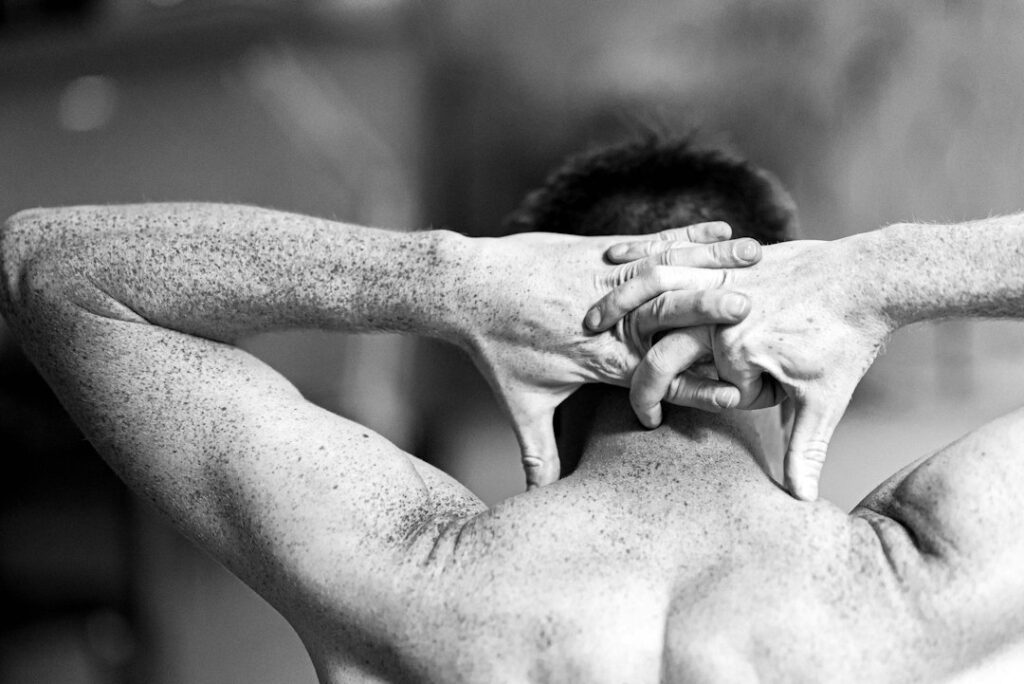
Tension headaches often feel like steady pressure, tightness, or a band wrapped around the forehead or back of the head. They may occur with tenderness in the neck, shoulders, jaw, or scalp. Gentle stretching can reduce muscle guarding and help interrupt the cycle of discomfort, particularly when long periods of sitting, screen use, stress, or poor sleep are involved.
For residents of Sleepy Hollow, NY, seasonal habits can also play a role. More time indoors during cold weather, heavier clothing, long commutes, and extended computer or phone use may encourage rounded shoulders and a forward head position. Stretching cannot address every cause of headache, but it can be a useful part of a broader self-care routine.
What does a tension headache usually feel like?
A tension headache commonly causes mild to moderate, pressing pain on both sides of the head. The discomfort may spread from the forehead toward the temples or from the upper neck toward the back of the skull.
Other common features include:
- Tight or tender neck and shoulder muscles
- Scalp sensitivity
- Jaw clenching or facial tension
- Head pressure without a throbbing sensation
- Discomfort that becomes more noticeable after desk work or driving
Tension headaches are different from every headache disorder. Migraine, sinus-related pain, medication-overuse headaches, eye problems, and headaches associated with the neck can require different approaches. Stretching should be viewed as a comfort measure, not a way to diagnose the cause.
How should stretching be done during a headache?
The movements should feel gentle and controlled. A stretch may create mild pulling, but it should not cause sharp pain, dizziness, tingling, numbness, weakness, nausea, or a sudden increase in head pressure.
Use these basic guidelines:
- Sit or stand with the spine comfortably upright.
- Keep the shoulders relaxed instead of forcing them down.
- Breathe slowly through the nose or mouth.
- Hold each position for about 15 to 30 seconds.
- Repeat each movement once or twice.
- Move gradually rather than bouncing or forcing the neck.
If a headache is severe, resting in a quiet position with a warm compress on tight neck or shoulder muscles may be more comfortable than performing several stretches.
Which stretches may ease neck and shoulder tension?
Chin tuck
A chin tuck targets the forward-head position that often develops during computer, phone, or reading activities.
Sit with the eyes facing forward. Without looking down, gently draw the chin straight backward as if making a small double chin. Keep the head level and avoid pressing the chin toward the chest. Hold for five seconds, then relax. Repeat five to ten times.
The movement should be small. Pulling the chin too far back can increase discomfort.
Upper trapezius stretch
This stretch addresses the broad muscle extending from the side of the neck to the top of the shoulder.
Sit on one hand or gently hold the edge of the chair. Tilt the right ear toward the right shoulder until a mild stretch is felt along the left side of the neck. Do not lift the shoulder toward the ear. Hold, then switch sides.
The hand on the head does not need to pull. The weight of the head is usually enough.
Levator scapulae stretch
This muscle connects the upper shoulder blade area to the neck and may become tense after prolonged sitting.
Turn the head about 45 degrees to the right, then look downward toward the right pocket or armpit. A mild stretch should be felt along the back and left side of the neck. Hold briefly, then repeat on the other side.
Keep the shoulder on the stretching side relaxed. Stop if the movement creates pain that travels into the arm.
Doorway chest stretch
Tight chest muscles can encourage the shoulders to roll forward, increasing strain around the neck and upper back.
Stand in a doorway with the forearms resting lightly against the frame. Step forward until a comfortable stretch is felt across the chest. Keep the ribs from flaring forward and avoid arching the lower back. Hold for 20 to 30 seconds.
This stretch is especially useful after reading, typing, or using a phone for a long period.

Shoulder blade squeeze
This is a strengthening-oriented movement rather than a traditional stretch. It can help restore a more comfortable shoulder position.
Sit or stand tall. Gently draw the shoulder blades toward each other and slightly downward, as though placing them into back pockets. Hold for three to five seconds, then release fully. Repeat eight to twelve times.
Do not shrug or squeeze forcefully. The goal is controlled movement, not maximum effort.
Supported recovery position
For some people, lying on the back with the knees bent allows the neck and shoulders to relax more fully.
Place a folded towel beneath the head only if needed to keep the neck comfortable. Let the arms rest beside the body, or gently clasp the hands behind the head without pulling. Allow the elbows to relax outward while breathing slowly for one to two minutes.
This position should feel calming. If it increases head pressure, neck pain, or dizziness, stop.
How often should these movements be performed?
Short, frequent breaks are usually more practical than one long stretching session. During desk work, try moving for two or three minutes every 30 to 60 minutes. A brief walk, shoulder rolls, chin tucks, or a chest stretch may help prevent tension from accumulating.
A simple routine might include:
- Five chin tucks
- One upper trapezius stretch on each side
- One levator scapulae stretch on each side
- Ten shoulder blade squeezes
- A short walk or relaxed breathing period
Stretching is more likely to help when combined with regular meals, adequate fluids, consistent sleep, and a workstation that allows the head to remain near the shoulders rather than drifting forward.
What should be avoided?
Aggressive neck circles, forceful pulling, rapid movements, and self-manipulation of the neck can aggravate symptoms. It is also unwise to stretch through numbness, weakness, arm pain, visual changes, or severe dizziness.
A common misconception is that stronger stretching produces faster relief. Muscles that are already irritated may respond better to smaller movements, warmth, rest, and gradual changes in posture.
Frequent use of over-the-counter headache medicine can also contribute to medication-overuse headaches. Anyone using pain medicine regularly for recurring headaches should discuss the pattern with a qualified medical provider.
When does a headache need medical attention?
Seek urgent medical care for a sudden, severe headache, especially if it reaches maximum intensity within seconds or minutes. Prompt evaluation is also warranted when head pain follows an injury or occurs with fainting, confusion, fever, stiff neck, seizure, new weakness, numbness, trouble speaking, loss of balance, or vision changes.
A new or steadily worsening headache, repeated morning headaches, headaches that disrupt sleep, or a noticeable change in an established pattern should also be evaluated. Stretching is appropriate only when the symptoms are consistent with a familiar, uncomplicated tension pattern and no warning signs are present.
